The Dallas-Fort Worth (DFW) metroplex is a bustling hub for healthcare, offering an abundance of opportunities for skilled professionals, including phlebotomists. As the demand for quality patient care continues to rise, so does the need for individuals expertly trained in venipuncture and specimen collection. For those considering a career path in this vital field, Benham Career Institute is dedicated to providing high-quality healthcare education, preparing individuals to meet this growing need within a dynamic environment.

Hospitals and Major Medical Systems
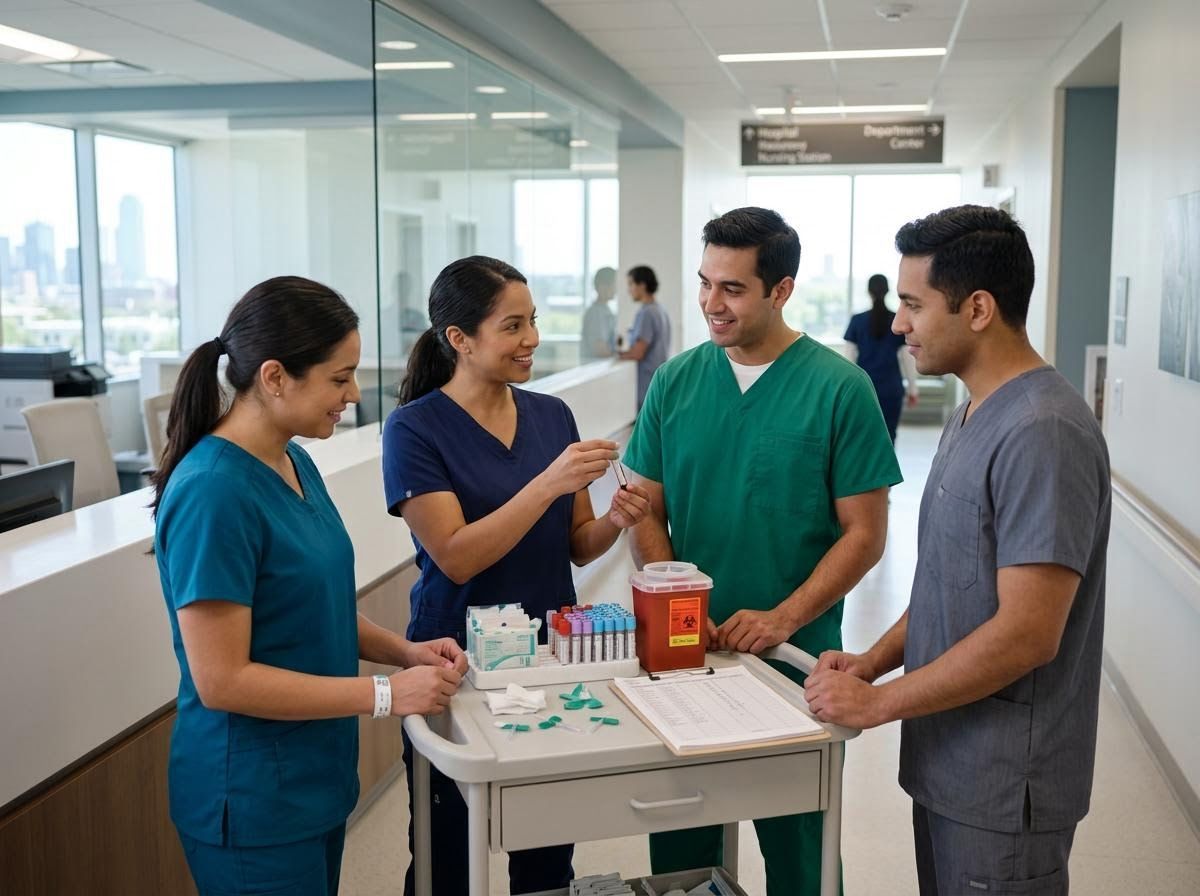
Hospitals are primary employers for phlebotomists in DFW, offering diverse environments from emergency rooms to specialized units. Major healthcare systems like Baylor Scott & White Health, Texas Health Resources, and Medical City Healthcare operate numerous facilities across the region, consistently seeking qualified phlebotomists. In these settings, phlebotomists are integral to patient diagnosis and treatment, working closely with nurses and doctors. The fast-paced hospital environment provides invaluable experience, exposing professionals to a wide range of patient demographics and medical conditions. This experience is crucial for those looking to build a robust career after completing their phlebotomy certification.
Clinical Laboratories and Diagnostic Centers
Beyond hospitals, independent clinical laboratories and diagnostic centers form another significant employment sector for phlebotomists. Companies such as Quest Diagnostics and LabCorp, along with various local and regional labs, are essential for processing patient samples. Phlebotomists in these settings often manage high volumes of specimens, ensuring accuracy and efficiency in collection, which directly impacts diagnostic outcomes. These facilities require precise attention to detail and a strong understanding of specimen integrity, making proper training from a reputable phlebotomy school even more critical. Many of these labs also employ other healthcare professionals, including those who have completed a cna training certification program, highlighting the interconnectedness of healthcare roles.
Outpatient Clinics and Specialty Practices
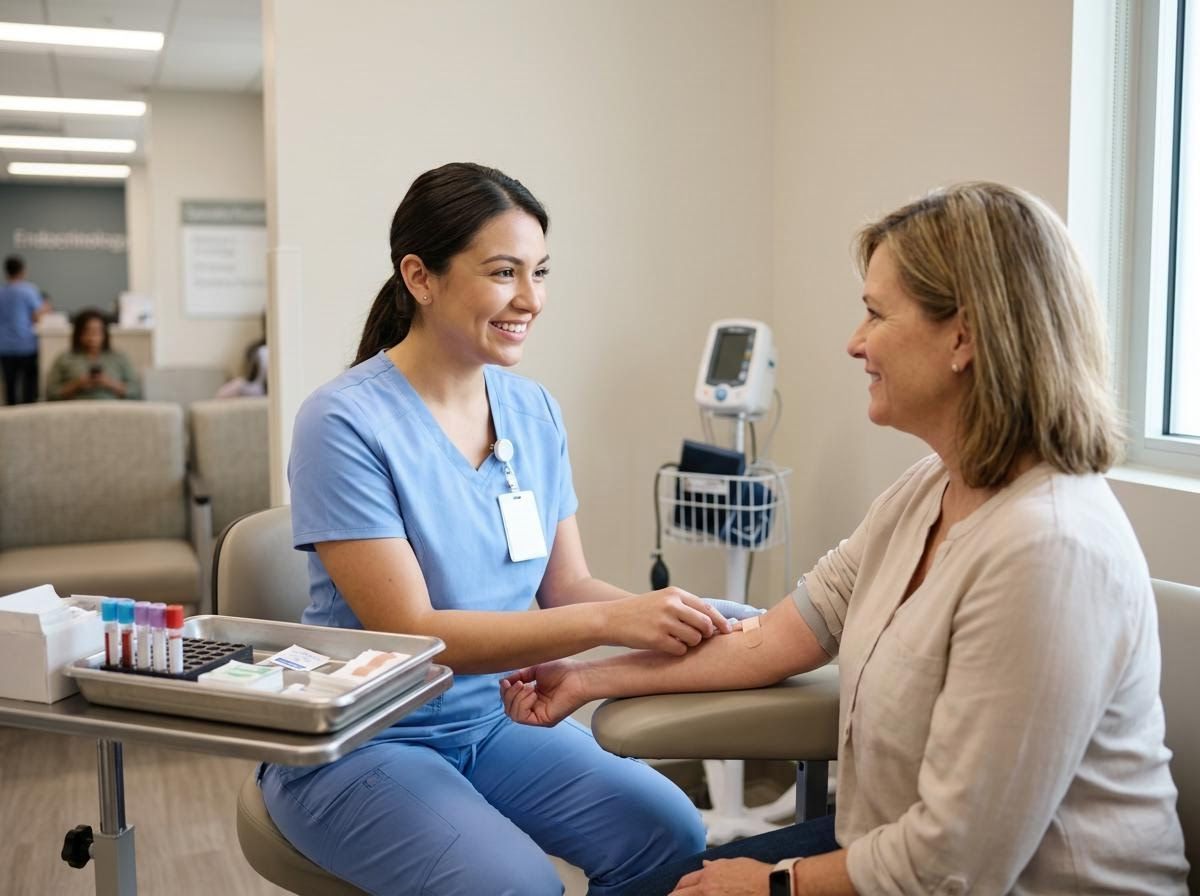
A growing number of outpatient clinics, urgent care centers, and specialty practices (like cardiology, oncology, or endocrinology offices) also rely heavily on phlebotomists. As healthcare shifts towards more community-based and accessible care, these clinics require dedicated professionals to perform blood draws for routine check-ups, follow-up tests, and specialized diagnostic procedures. Working in these environments often allows for more direct patient interaction and the opportunity to build rapport, emphasizing the compassionate aspect of healthcare. These settings are excellent places for new graduates seeking to apply their skills learned in cna classes or their phlebotomy training in a supportive, patient-focused setting.
Blood Banks and Mobile Services
Another vital area for phlebotomists is in blood banks and mobile blood donation services. Organizations like Carter BloodCare frequently hire phlebotomists to conduct blood drives and collect donations, playing a crucial role in maintaining the community’s blood supply. This work is profoundly impactful, directly saving lives. Additionally, some companies offer mobile phlebotomy services, where professionals travel to patients' homes or workplaces for convenience, particularly for those with mobility challenges or busy schedules. This innovative approach to care delivery requires adaptability and strong independent working skills, showcasing the diverse applications of a phlebotomy certification obtained from a comprehensive healthcare training facility.
Embarking on a career as a phlebotomist in the DFW area opens doors to numerous fulfilling opportunities within a thriving healthcare landscape. From major hospitals to specialized clinics and mobile services, the demand for skilled and empathetic professionals continues to grow. Benham Career Institute is dedicated to preparing individuals for these impactful roles, fostering both professional competence and ethical practice. To discover more about starting your journey in this essential field and how our programs can empower your future, we invite you to explore our course offerings and speak with our admissions team.